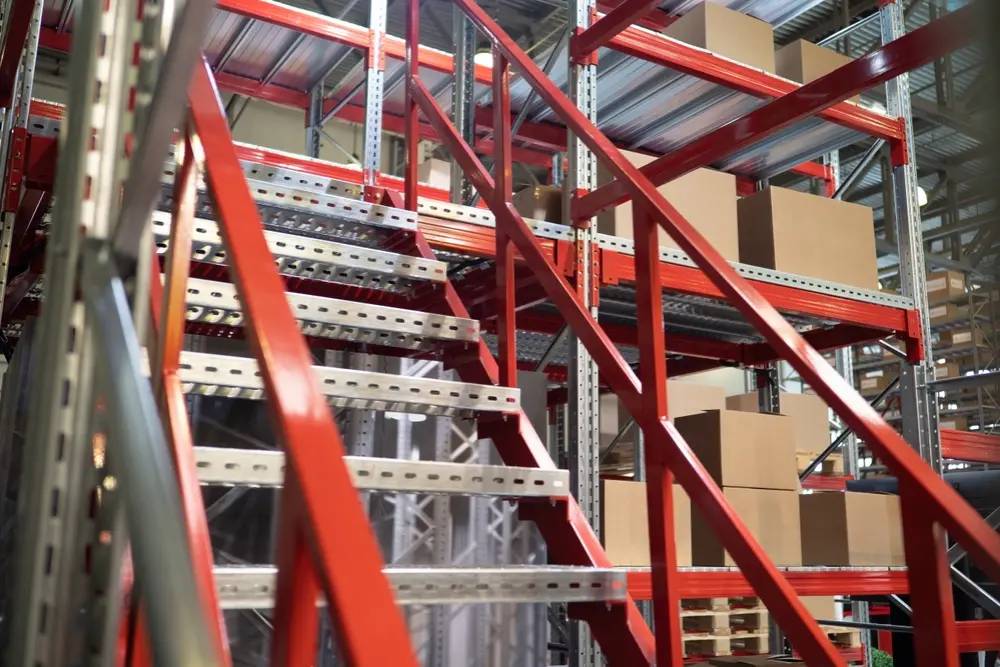
Mezzanine Stairs That Do More Than Link Two Levels
A mezzanine floor is almost always a practical addition. It adds usable space without the cost of a full extension, unlocks vertical volume, and can bring structure to open-plan layouts. But too often, mezzanine stairs get treated as an afterthought: purely functional, minimally designed, and badly coordinated with the scheme around them.
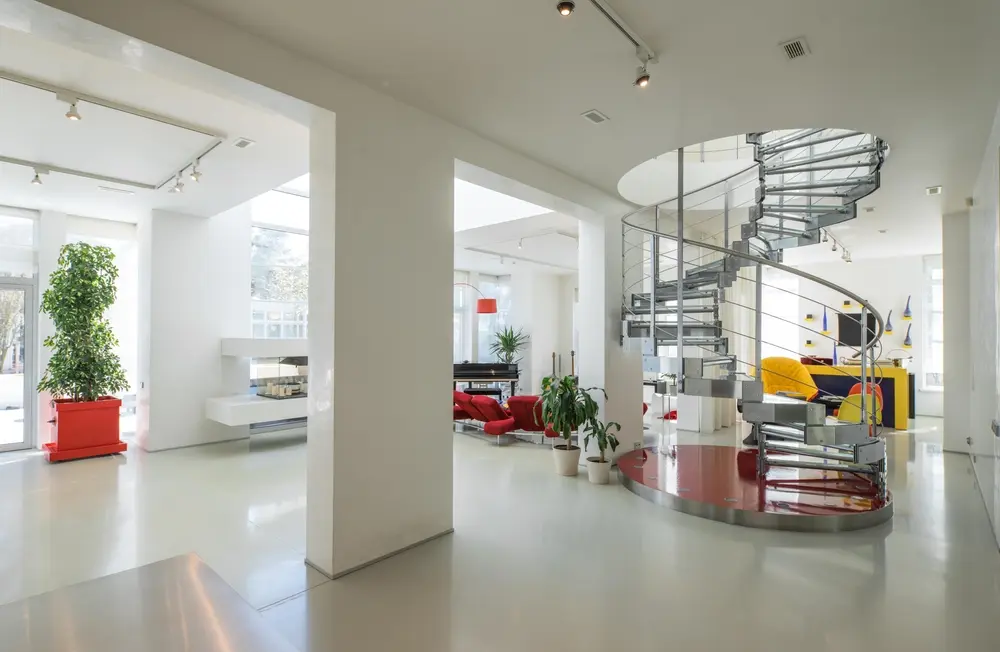
At Formost Fabrications, we think stairs for mezzanine floors should do more. They’re a visible, heavily used part of the space and, when designed properly, a mezzanine staircase becomes a feature that connects levels, enhances flow, and feels like it belongs. Here’s what that takes.
Beyond Bolt-On: Mezzanine Staircases as Part of the Scheme
We’re not here to drop in a staircase and call it done. If the stair doesn’t integrate with your layout, your finishes, or your fall protection strategy, it’s not really working. That’s why we design mezzanine stairs with more than just rise and run in mind.
Things like:
- Aligning the stair and balustrade posts with mezzanine steelwork or slab zones so detailing looks intentional.
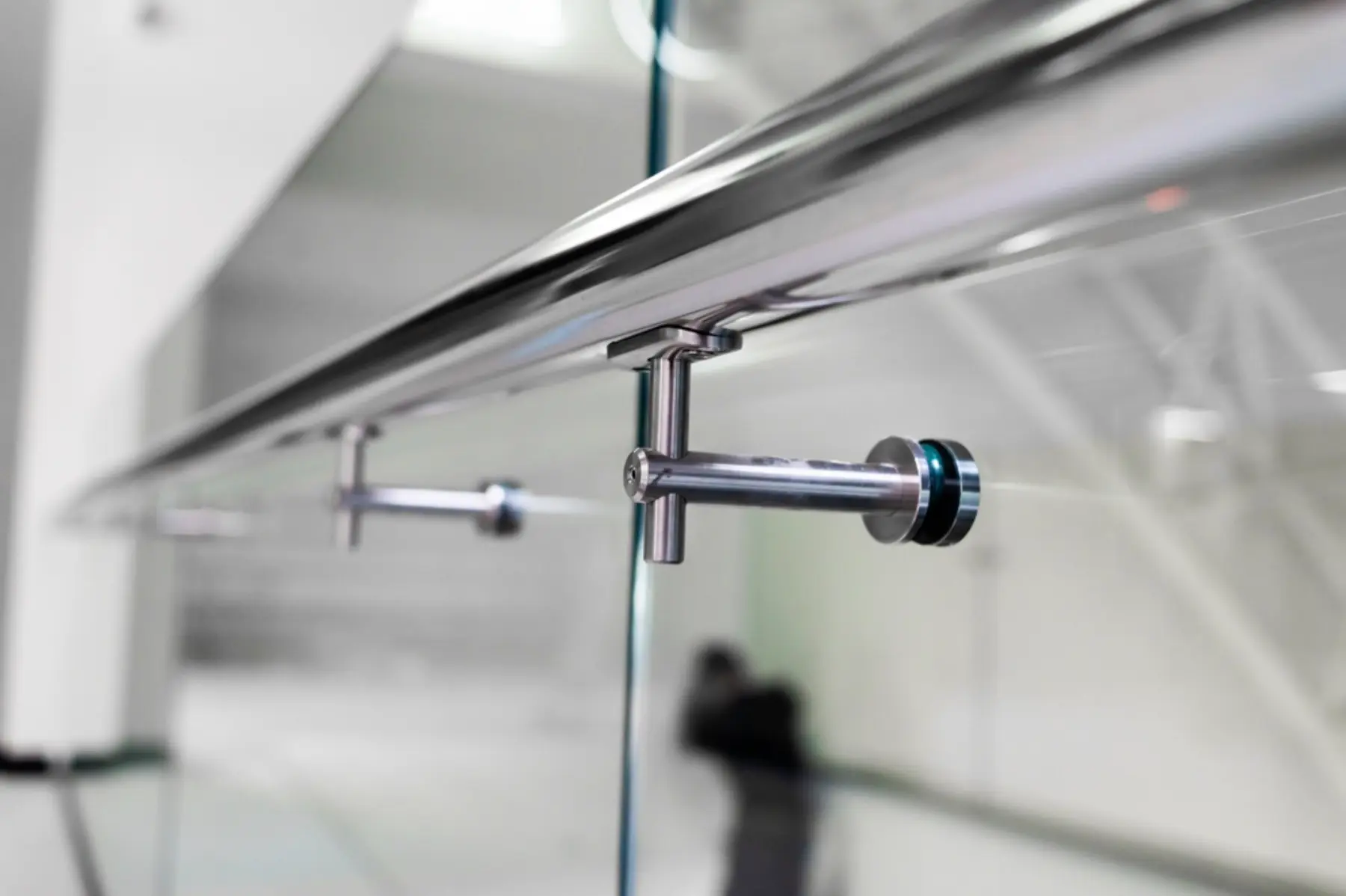
- Creating clean transitions between floor, stair stringer, and any guarding, especially where glass or open tread designs are involved.
We’ve had projects where a well-placed change in stair direction has unlocked more usable space below the mezzanine. Or where a slight tweak to stair angle kept the handrail clear of a curtain wall mullion. These are small shifts, but they change how the space works, and they don’t happen without early input.
Material Choices That Respect Context
A lot of mezzanine floor stairs end up as mild steel frames and chequer plate treads. That’s fine in a back-of-house warehouse. But if your mezzanine sits in a client-facing zone, or forms part of the customer experience, there’s more to consider.
What matters is that the stair speaks the same language as the rest of the space. In other words, that it doesn’t feel like a tacked-on tool for access, but a deliberate architectural connection between levels.
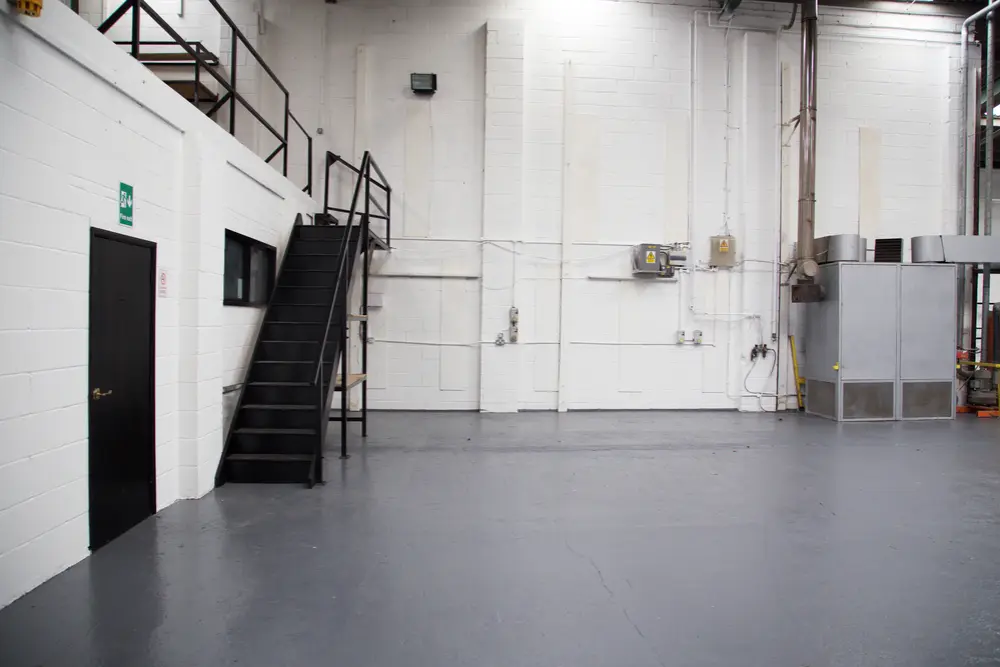
Safety Standards Without Sacrificing Aesthetics
It’s easy to overbuild a mezzanine staircase in the name of compliance, and end up with something clunky. But safety doesn’t mean heavy-handed.
We routinely design to meet or exceed mezzanine floor safety standards without over-engineering the aesthetic. That means:
- Balustrade and guarding heights to suit the use case.
- Non-slip treads for high-traffic areas without making everything look industrial.
- Proper landings, headroom, and handrail detailing for both comfort and compliance.
You shouldn’t have to choose between something that looks right and something that passes Building Control. Done well, you get both.
Designed to Be Installed Without Drama
Every mezzanine floor is different. Column locations, access zones, ceiling heights; none of it’s plug-and-play. That’s why we design every mezzanine staircase specifically for the site, using layout drawings, site surveys, and CAD models where needed.
Because we fabricate and install in-house, we also know what happens when you don’t plan properly. Our experience means that we build to fit the real-world tolerances, not just the drawings. We give you fewer surprises on install day and a smoother experience for everyone involved.
If you’re designing or specifying mezzanine floor stairs, especially for a commercial, public, or visually prominent setting, get us involved early. We’ll help you create stairs that don’t just link the levels, but elevate the entire space.
Call to action
To talk to us about a bespoke mezzanine staircase, or to involve us early in a project with vertical circulation, give us a call or send over your plans. We’ll help you get the details right before it’s too late to fix it.
📧 enquiries@formostfabrications.co.uk
FAQs
What types of mezzanine stairs do you offer?
We design and fabricate mezzanine stairs for commercial, industrial, and public environments. That includes access stairs, escape stairs, feature stairs, and utility staircases.
Are your mezzanine staircases compliant with building regulations?
Yes, every stair we produce is designed to meet UK safety standards and building regulations, including dimensions, loadings, handrail requirements, and fire strategy inputs.
Can you work with architects and designers during the planning stage?
Absolutely. We often work alongside architects during early RIBA stages to develop staircase layouts that match the overall scheme.
Do you handle both design and installation?
Yes. We offer a full service from design and fabrication to on-site installation, which keeps the process streamlined and the finish consistent.
What materials do you use for mezzanine stairs?
We typically work in mild steel, stainless steel, and aluminium, with options for timber detailing, glass balustrades, and powder-coated finishes.
Can the stairs be customised to match our brand or interior scheme?
Yes. We can powder-coat the structure in brand colours, match handrail materials, and design balustrades that align with your visual intent.
How do you ensure the stairs are safe in high-traffic areas?
We design stairs with appropriate tread sizes, grip surfaces, durable balustrades, and materials that can handle daily use. We also factor in wear zones and user behaviour.
Do you offer stairs for mezzanine floors in public buildings?
Yes. We’ve installed mezzanine staircases in schools, libraries, retail spaces, and other public environments, ensuring accessibility and durability.
How long does it take to install a mezzanine staircase?
Timelines vary depending on complexity, but a typical install can range from a few days to a couple of weeks once designs are approved and fabrication is complete.
Can you advise on fire escape stairs for mezzanines?
Yes. We can design mezzanine stairs that comply with escape route widths, fire rating zones, and structural support requirements.