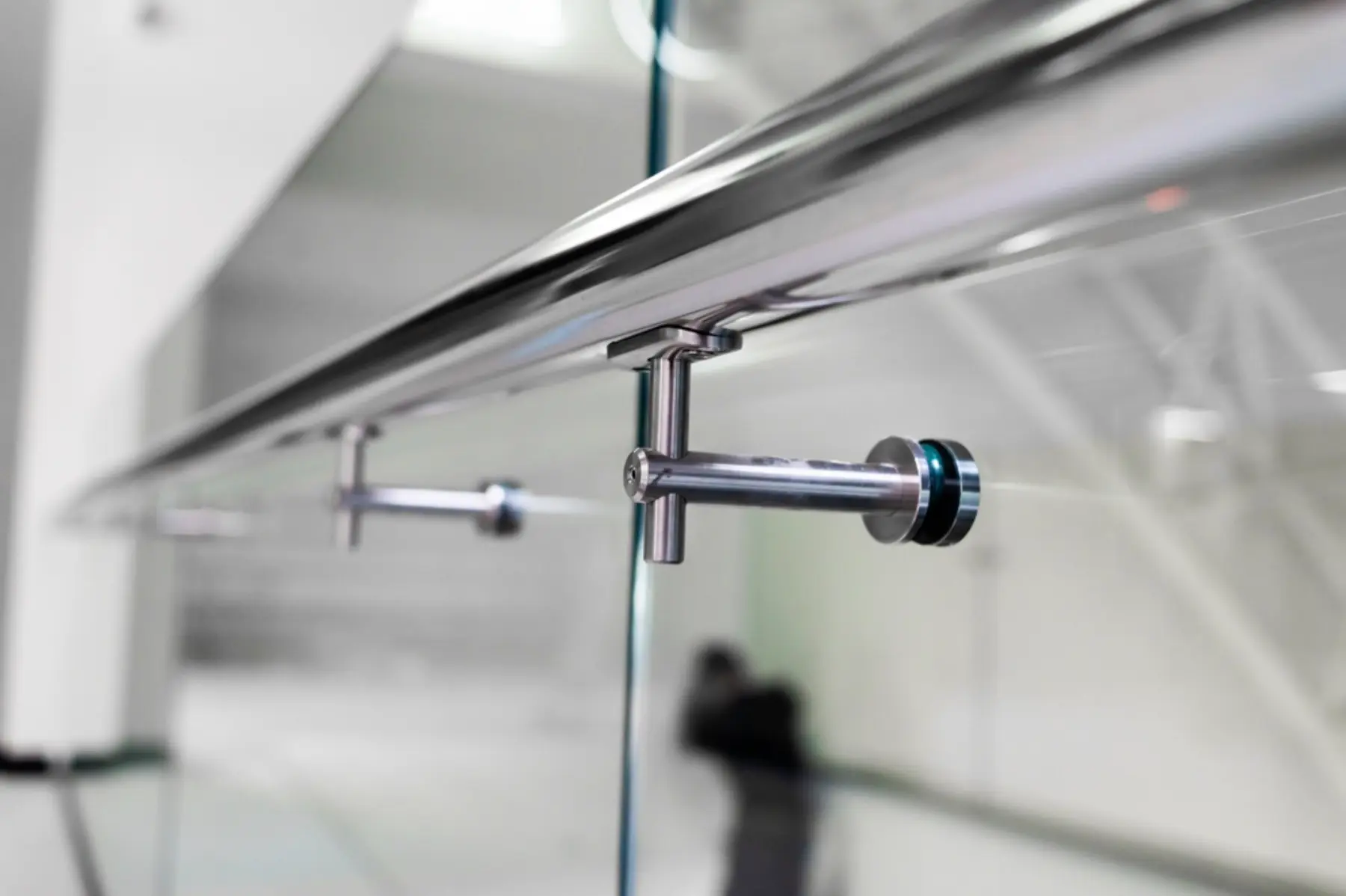
Stainless Steel Glass Balustrade Systems for Commercial and High-Traffic Spaces
A stainless steel glass balustrade is one of the cleanest ways to make a space feel open without compromising on safety. You get unobstructed views, strong edge protection, and a finish that holds up in busy environments. For architects and specifiers, it is also a straightforward way to keep sightlines clean across stair voids, mezzanines, and a glass balcony detail, while still meeting building regulations.
At Formost Fabrications, we design, fabricate and install stainless steel and glass balustrade solutions across the mainland UK, with a focus on commercial settings where durability and consistency matter. Whether you are specifying for indoor and outdoor use, or you need a system that stays sharp in high-traffic areas, the details are what make it work.
What Makes Stainless Steel And Glass So Widely Specified
There is a reason steel and glass balustrades turn up in offices, public buildings, hospitality venues and modern residential developments. Done well, they look intentional rather than heavy. Stainless steel offers strength at the posts and handrail, while the glass panel keeps the visual field clear.
A good glass balustrade system also suits mixed material palettes. It sits comfortably alongside timber stair treads, stone finishes, painted walls, and exposed structural elements. In other words, it does not demand attention; it supports the architecture.
From a practical perspective, stainless steel is also predictable. You can specify grades, understand performance, and build maintenance plans around it. That matters when the building will be used by hundreds of people a day.
Post Systems: The Backbone Of A Stainless Steel Glass Balustrade
Most commercial schemes lean towards a post system because it is robust and adaptable on site. A post system uses stainless steel posts and fixings to support each glass panel at regular centres, with the posts acting as the structural frame.
There is flexibility here, both visually and technically. Posts can be top-fixed to slabs, side-fixed to stringers, or positioned to align with façade mullions and grid lines. The best results come when this is coordinated early, rather than treated as a late-stage add-on.
Things like:
- Aligning balustrade posts with structural edges so the base fixings stay neat and rational.
- Setting post centres to suit the glass panel sizes and avoid awkward, narrow infills at the ends.
This is where a stainless steel and glass balustrade stops looking like a kit and starts looking like part of the building.
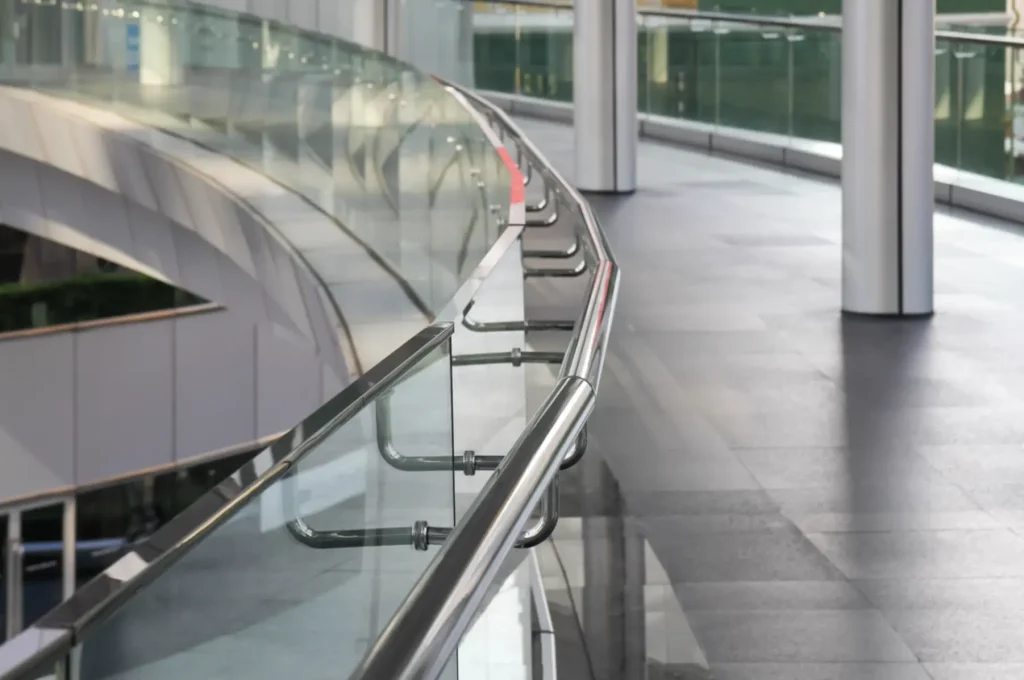
Glass Thickness, Safety Glass, And Real-World Spec Decisions
For many commercial stair and balcony applications, you will see 10mm thick toughened glass mentioned; sometimes more depending on span, loading, and whether the glass is acting as the infill only or part of a more structural arrangement.
The important thing is not to reduce it to a number. Glass thickness depends on the application, the fixing method, and the load requirements, especially at busy edges and balcony lines.
A stainless steel glass balustrade should always use appropriate toughened glass and certified safety glass, designed around the correct performance standards. This is not an area for guesswork, particularly in public and commercial environments where the balustrade is touched, leaned on, and tested constantly.
We work with specifiers to get this right early, so the balustrade system meets building regulations without last-minute redesign.
316 Grade Stainless Steel: When It Matters
Not all stainless steel is equal. In many indoor settings, a standard grade may perform perfectly well. For exposed outdoor conditions, coastal environments, or areas with aggressive pollution and moisture, 316 grade stainless steel is often the sensible choice.
If you are specifying a stainless steel glass balustrade for a terrace, rooftop, or an external stair, it is worth thinking about this upfront. It affects the long-term appearance and maintenance requirements. Stainless steel that pits or stains prematurely becomes a visual problem, and it also creates an avoidable facilities burden.
Indoor And Outdoor Use Without The Usual Compromises
One reason stainless steel and glass balustrade systems are so popular is that the same core approach can work for indoor and outdoor schemes. The difference is how you detail it.
- External balustrades need weather-resilient fixings, careful water management at baseplates, and sensible drainage considerations around the edge condition.
- Indoor balustrades often need a sharper focus on touchpoints, cleaning routines, and the way the posts interface with finishes like polished concrete, stone, or timber.
A well-designed system avoids the usual compromises. It can feel lightweight, stay stable, and still meet the same safety expectations in both contexts.
Maintenance Requirements: The Bit Everyone Forgets Until Handover
A stainless steel and glass balustrade looks effortless, but it still benefits from a maintenance plan. In high-traffic commercial spaces, the handrail and posts will show fingerprints, cleaning chemicals may be used daily, and small scuffs can build up over time.
The good news is that maintenance is manageable if the system has been specified properly. Stainless steel posts with the right finish, combined with appropriate glass cleaning access, generally keeps the balustrade looking good for the long term. The bad news is that poor detailing makes cleaning harder than it needs to be, especially around post bases and junctions.
This is one of the reasons it helps to involve us early. If we can influence the detailing, we can help keep the system both attractive and practical to maintain.
Why Work With Formost Fabrications
When you specify a stainless steel glass balustrade, you are usually trying to achieve clarity: clear views, clear edges, a clean line through the space. That clarity lives or dies in the detailing. It is not just the product choice; it is how it is fabricated, set out, and installed.
At Formost Fabrications, we support architects, contractors and facilities teams with balustrade systems that are designed around the building, not forced onto it. We fabricate to suit your setting-out and coordination requirements, we understand how these systems behave in real life, and we install with the care you would expect on projects where finish quality matters.
If you are planning steel and glass balustrades for a stair core, mezzanine, or glass balcony edge, talk to us early. You will still get a high-quality installation at the end, but you will also get input that makes the system cleaner and easier to live with.
📧 enquiries@formostfabrications.co.uk
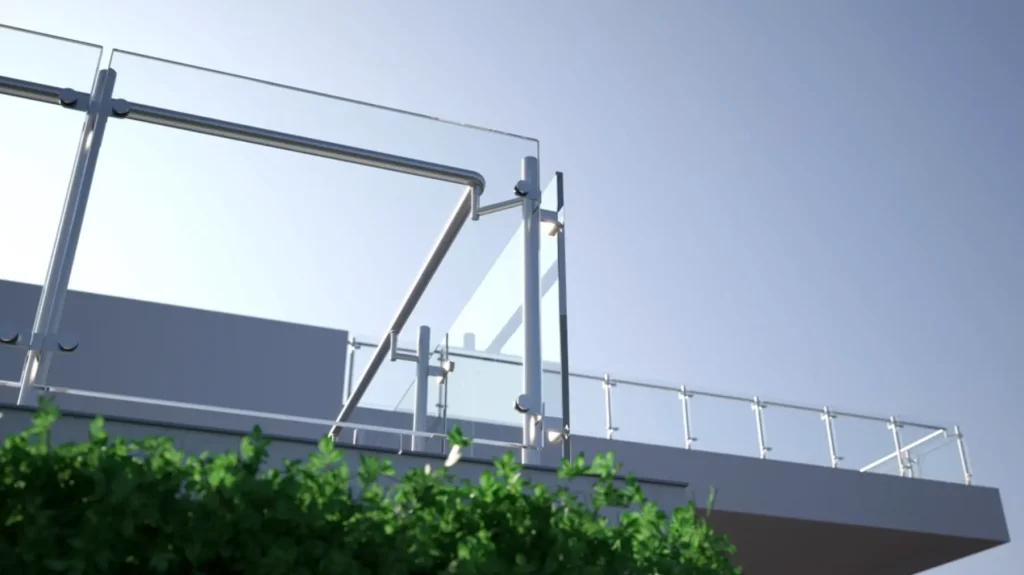
FAQ
Is a stainless steel glass balustrade suitable for indoor and outdoor use?
Yes. Stainless steel and glass balustrade systems work well in both settings, provided the grade, fixings and detailing are suited to the environment; external installations need extra attention to weathering and water management.
What glass thickness should I specify for a glass balustrade?
It depends on the application, spans and load requirements. You may see 10mm thick toughened glass used in some settings, but the correct specification should be confirmed against the relevant standards for the project.
What is a post system, and when is it the right choice?
A post system uses stainless steel posts and fixings to support each glass panel. It is a strong, adaptable option for commercial buildings because it is robust, easier to coordinate on site, and straightforward to maintain.
Do I need 316 grade stainless steel?
If the balustrade is exposed to harsh weather, coastal air, or higher moisture levels, 316 grade is often the better choice. For sheltered indoor environments, other grades can be suitable; it is worth deciding early because it impacts long-term appearance.
How do maintenance requirements differ between stainless and other materials?
Stainless steel is generally low maintenance, but it will show fingerprints and needs sensible cleaning routines in high-traffic spaces. The right finish specification and detailing around bases and junctions makes upkeep much easier.
Can you help with setting-out and coordination on commercial projects?
Yes. We regularly work with architects and contractors to align balustrade posts with structural grids and finishes, avoid awkward end conditions, and ensure the stainless steel glass balustrade looks intentional once installed.