
Design-Led Access Solutions for Permanent Use
When we talk about access ramps, most people think of temporary metal strips, folding suitcase ramps, or the kind of makeshift setups you see outside listed buildings and village halls. But there’s a world of difference between those and a high-quality, accessible wheelchair ramp designed for long-term use.
At Formost Fabrications, we design and install permanent, site-specific accessibility ramps for commercial, public and residential spaces. Whether you’re making a business entrance more inclusive or supporting long-term mobility at home, our ramps are designed to offer safety, comfort and visual integration—not just box-ticking compliance.
Choosing the Right Accessible Wheelchair Ramp
There’s no one-size-fits-all option when it comes to ramps for access. The right ramp depends on the site layout, the types of wheelchair or mobility scooter in use, and the level of independence required.
Some wheelchair users need gentle gradients for manual chairs. Others use electric wheelchairs with more power but a different turning radius. Scooters may be longer, heavier or harder to manoeuvre. That’s before you factor in building regulations, available space and the preferences of the person using it every day.
We work with architects, care providers, and building managers to choose the right wheelchair ramp from the start—balancing gradients, surfaces, handrails, and turning areas to suit both the user and the environment.
Beyond the Portable Ramp
Portable wheelchair ramps, like folding suitcase ramps or channel ramps, have their place. They’re useful for short-term needs or when moving between locations. But they’re not a substitute for a permanent, purpose-built solution.
Many clients come to us after months or even years of struggling with temporary ramps that are too short, too steep or too unstable. Some have relied on wooden ramps that rot over time, or metal sheets that warp and wobble under load. These aren’t just inconvenient; they’re a safety risk.
A custom accessible wheelchair ramp offers something more stable, more durable, and more usable. With correct ramp length, landing space and anti-slip surface, it becomes a seamless part of the property.

Built to Last, Built for Safety
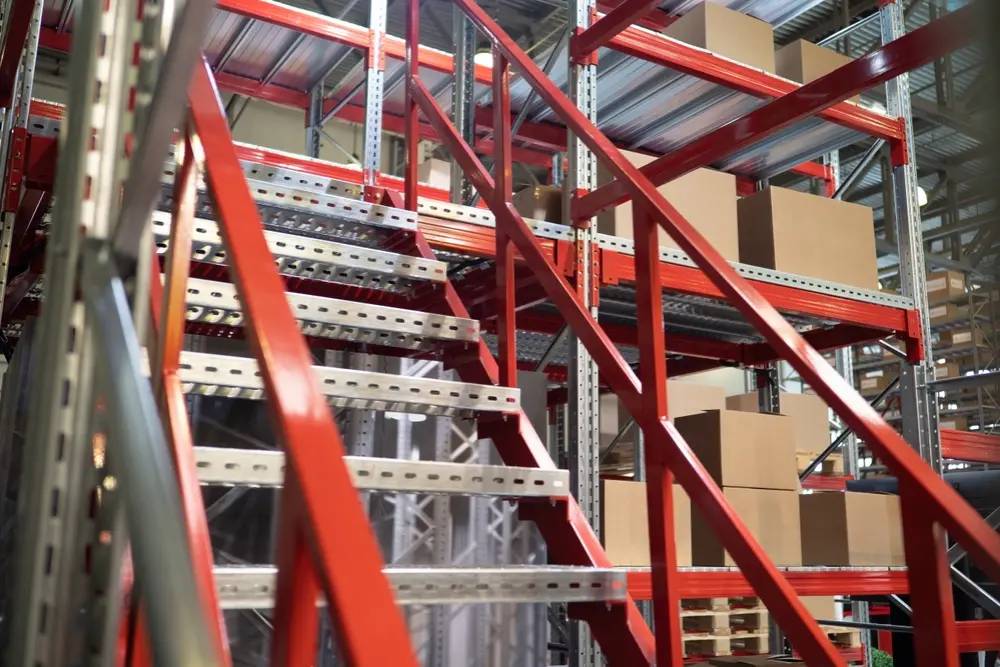
We fabricate our accessible wheelchair ramps in high-quality mild steel or stainless steel. For external installations, galvanised steel is often used to prevent rust and corrosion in wet or wintry conditions.
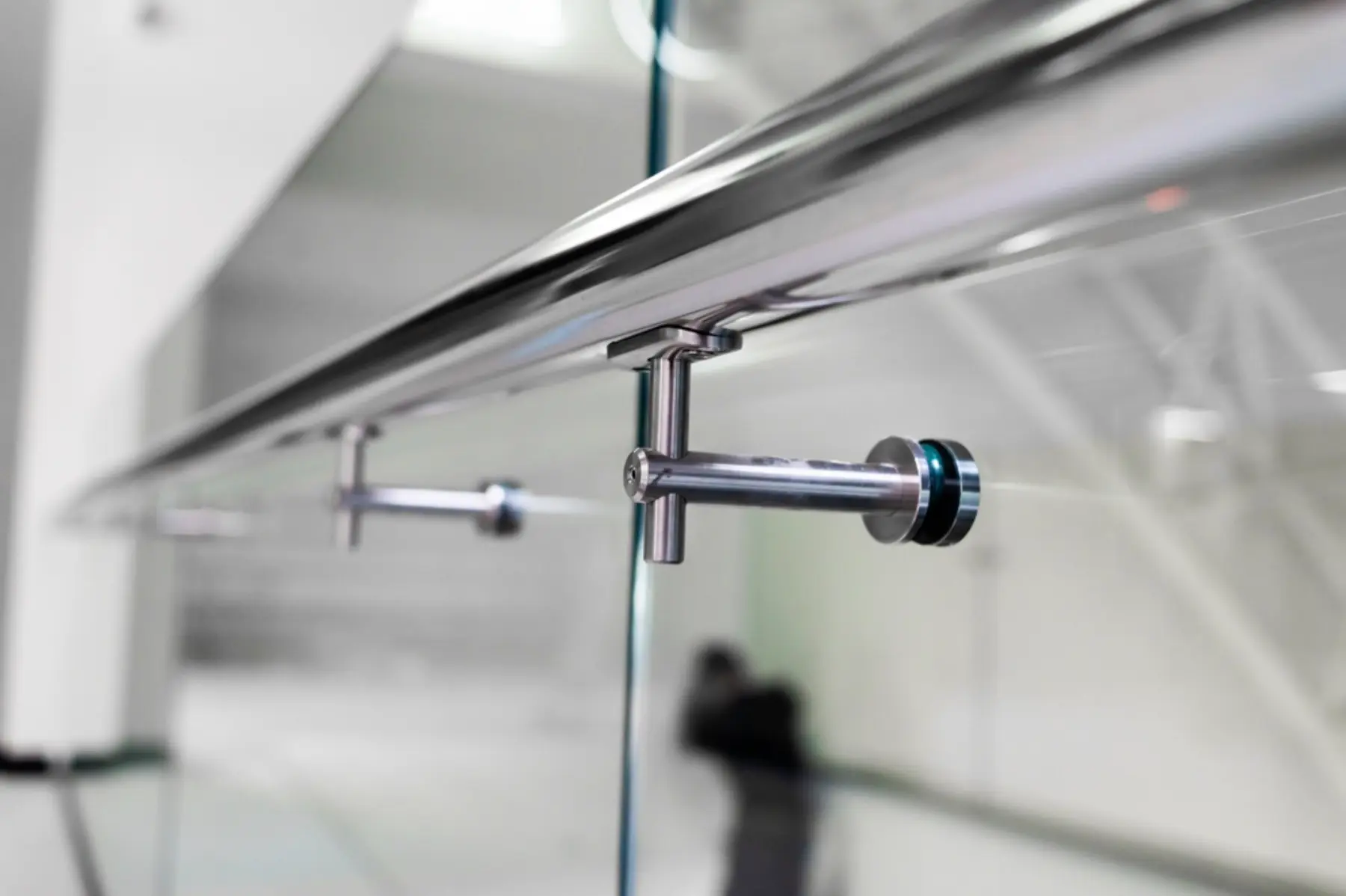
Handrails, toe guards and surface finishes can all be added to comply with UK building regulations and suit the user’s needs. Every ramp we make is load-tested and designed to handle real-world use, from powered wheelchairs to heavy-duty mobility scooters.
And because everything is built in-house, we can accommodate unusual access layouts, long runs, or wraparound designs that off-the-shelf ramps simply can’t achieve.
Seamless Integration with Buildings
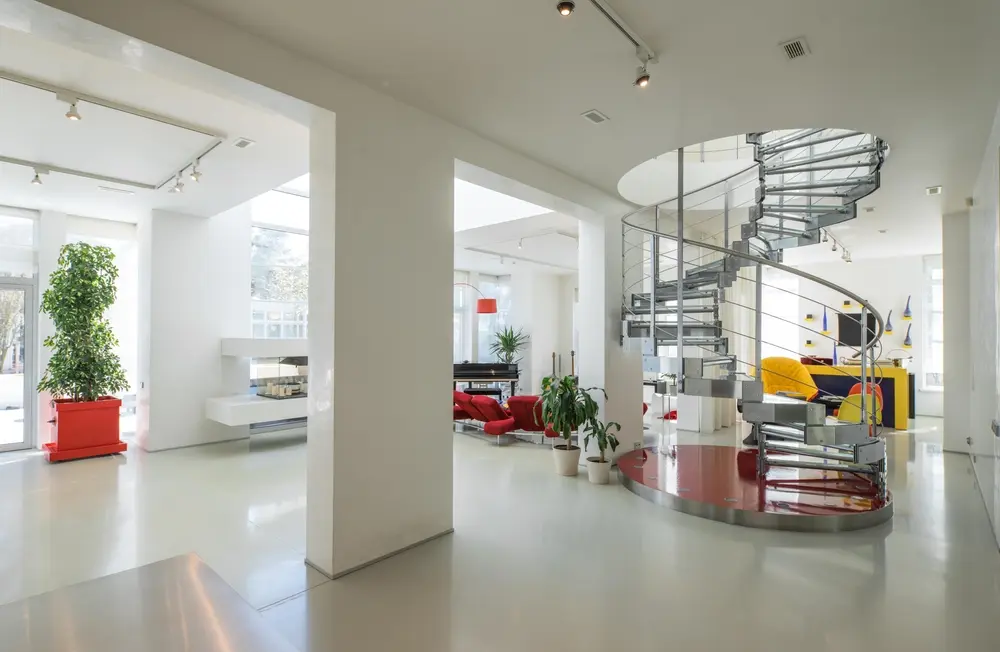
An accessible wheelchair ramp shouldn’t look like an afterthought. We design ramps that fit visually and physically with their surroundings, whether that means a smart black powder-coated finish for a front entrance, or a curved access ramp with feature railings for a public building.
For many commercial clients, especially in hospitality, retail or healthcare, accessibility is part of the brand experience. A well-designed entrance ramp can show that you take inclusivity seriously, not just because you have to, but because you want to.
We also advise on finishes that blend with nearby balustrades, steps, or entrance canopies, giving the entire front-of-building layout a cohesive look.
VAT-Exempt and Regulation Compliant
If you’re installing an accessible wheelchair ramp for a disabled person’s personal use, the project may be VAT exempt. We can guide you through the relevant forms and requirements to help reduce the cost.
For commercial or public sector projects, we design to meet Approved Document M and Part K of the Building Regulations. We’ll also consider DDA compliance and other relevant standards, giving you confidence that the accessible wheelchair ramp is legally and functionally fit for purpose.
More Than Just a Ramp
We often integrate ramps with wider access systems, such as handrail systems, steps, and level landings, which create a full entrance solution.
For steep locations or where space is tight, we may recommend a two-part design with intermediate landings. In other cases, a longer run with a gentler slope might better suit manual wheelchair users. It all depends on the users, the building, and the goal.
The right accessible wheelchair ramp should offer dignity, not just access. We design with that in mind.
📧 enquiries@formostfabrications.co.uk

FAQ
What is the best material for a long-term access ramp?
We recommend galvanised steel for exterior ramps due to its excellent weather resistance. For interior settings, powder-coated mild steel or stainless steel can provide a durable and stylish finish.
Can I claim VAT exemption on an accessible wheelchair ramp?
Yes, in many cases. If the ramp is for a disabled person’s personal use at home, the project may qualify for VAT exemption. We can advise you on the forms and process.
How do I choose the right accessible wheelchair ramp length?
The ramp length depends on the height difference it needs to overcome and the acceptable gradient for the user. We use this information to calculate the correct run, turning points and landing areas.
Do you offer portable or folding ramps?
We specialise in permanent installations. While portable ramps like suitcase ramps or channel ramps are useful for temporary needs, we focus on long-term, site-specific solutions.
Can you design ramps for mobility scooters?
Yes. We design access ramps that can handle the weight, length and turning radius of mobility scooters, including wider surfaces and higher load-bearing thresholds.
Are your accessibility ramps compliant with UK building regulations?
Absolutely. Our ramps are designed to meet all relevant UK regulations, including Part M and K, and we also account for best practices in usability and safety.