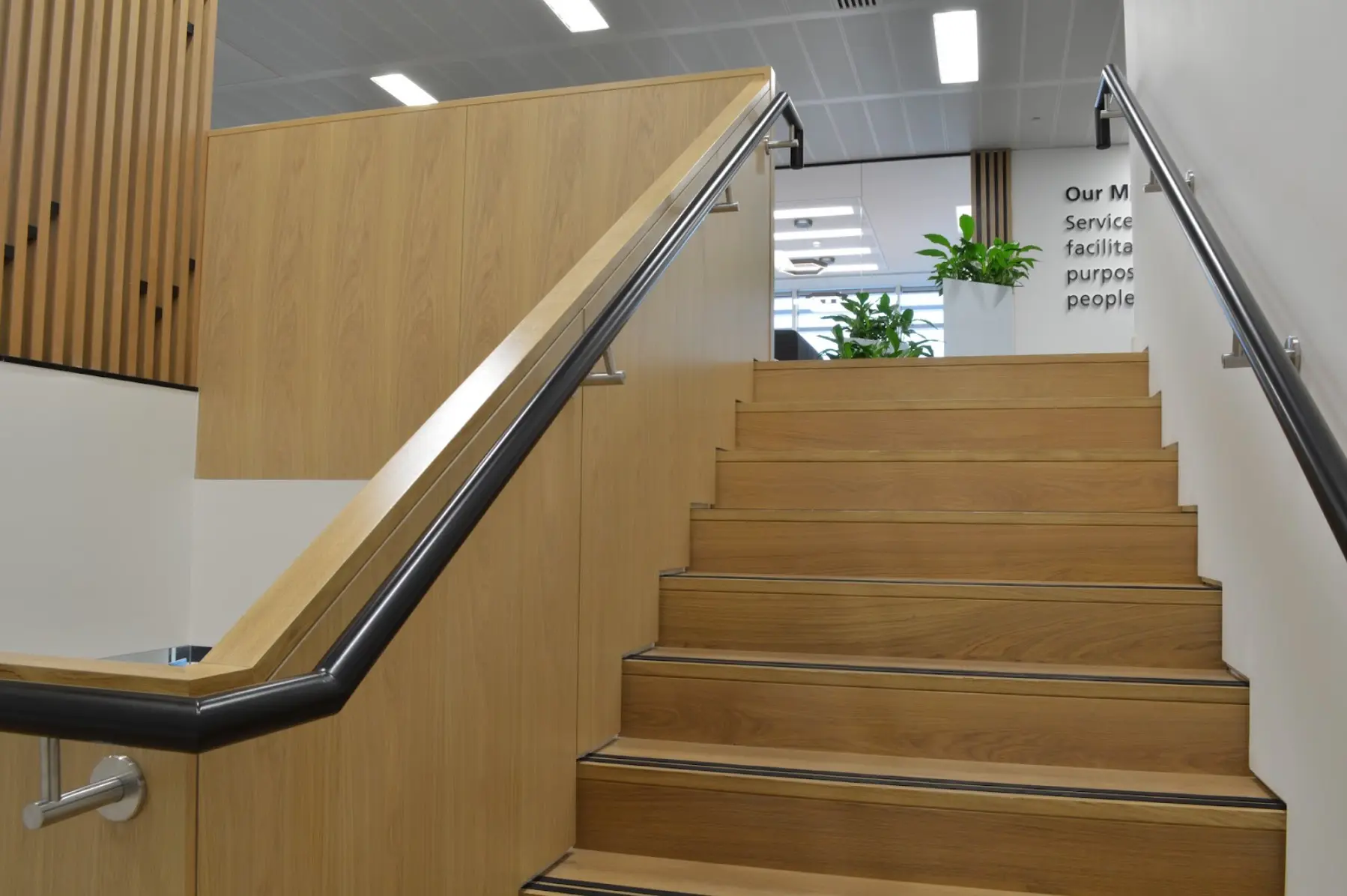
Architectural Metalwork: Why Designers Should Involve Fabricators Sooner
Architectural metalwork sits at the intersection of structural integrity and visual intent. It’s where a stairway becomes a sculpture, a canopy becomes a statement, and a balustrade guides the eye as much as it guides the user. Too often, however, bespoke architectural metalwork is treated as a finishing touch, rather than something to be designed in from the start.
At Formost Fabrications, we’re seeing more architects and designers bring us in earlier, and the results speak for themselves. When the conversation starts during RIBA Stage 2 or 3, not Stage 5, you get more than just a well-made install; you get detailing that aligns with your scheme, metal finishes that pair correctly with the rest of the palette, and practical refinements that reduce rework down the line.
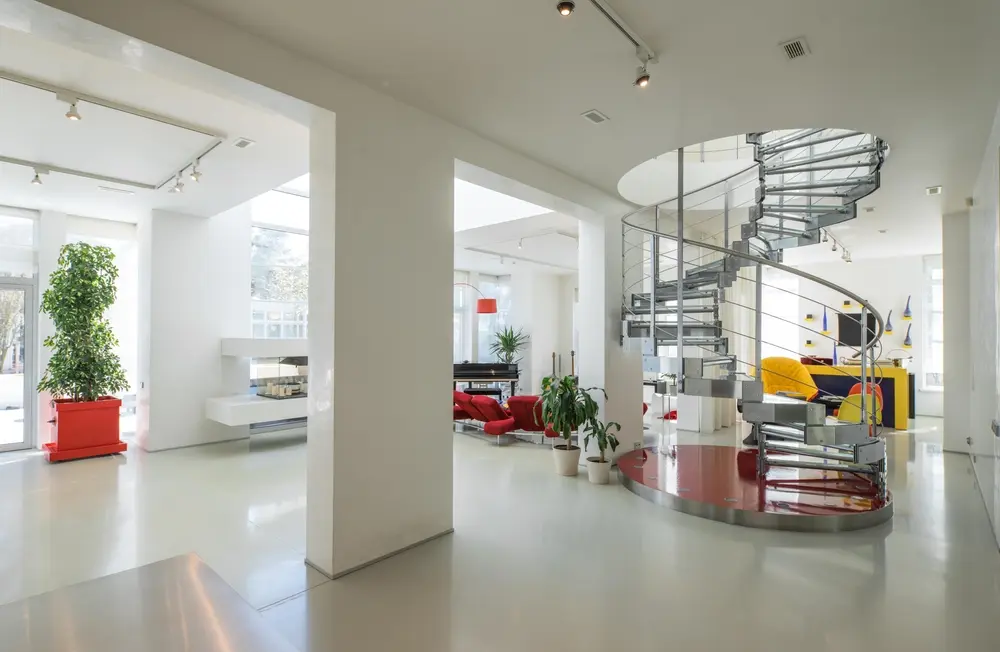
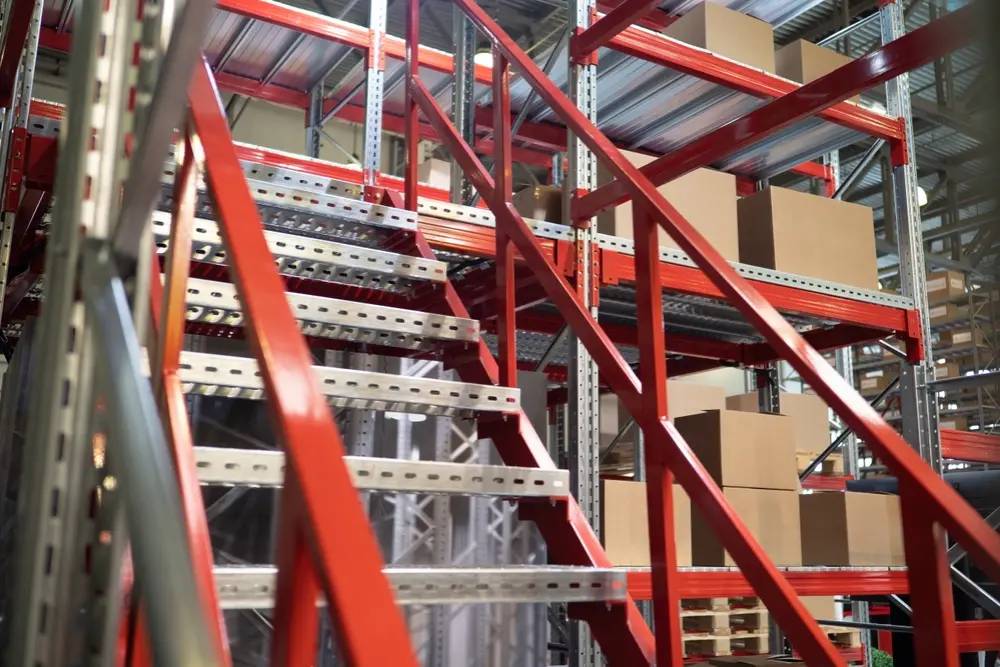
Whether it’s a sweeping staircase in a corporate atrium or architectural metalwork installations for outdoor circulation routes, the earlier we’re looped in, the more useful we can be. Here’s why that matters.
Design-Led Detailing, Not Just Value Engineering
When fabricators are brought in late, their job is often to ‘make it buildable’, which usually means paring something back. As a compromise, baseplates can get larger, fixings can become more visible, and tolerances can widen. If we’ve been involved earlier in the process, the compromises like these are entirely avoidable.
Things like:
- Adjusting post locations to align with building control zones and slab edges, while still honouring the visual rhythm.
- Choosing bespoke folded steel sections that allow clean junctions without overly thick profiles.
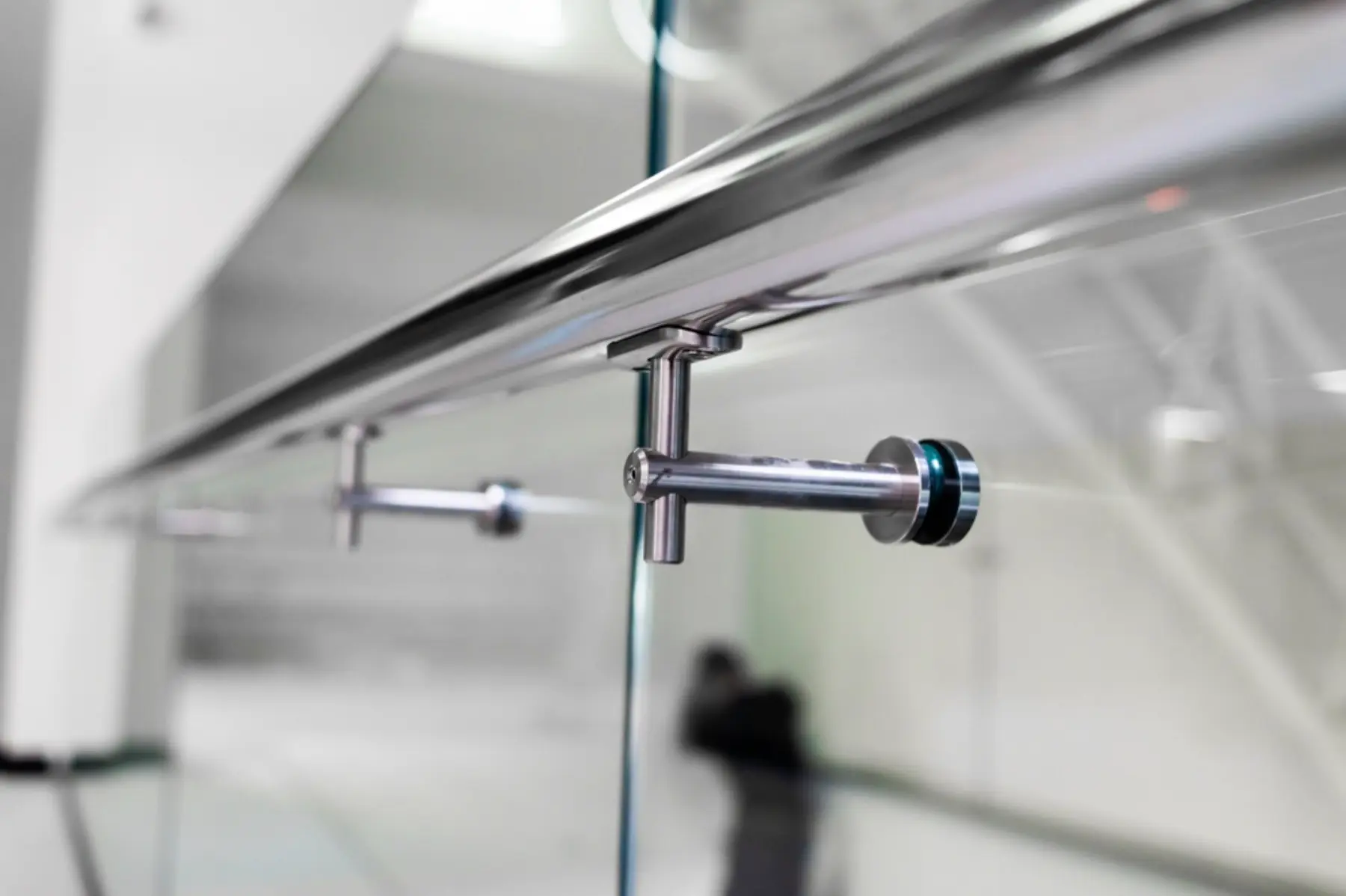
- Working out handrail transitions and bracketry before the balustrade clashes with your glazed partition line.
Bespoke architectural metalwork is most successful when the form evolves alongside the fabric. That only happens through collaboration.
Material Input That Strengthens the Scheme
Architectural metalwork doesn’t have to mean ‘default to stainless’. Galvanised finishes, powder-coated mild steel, patinated brass, aluminium… each has its own tone, feel, and context.
We’ve worked on projects where the architect’s concept called for warmth and tactility in high-traffic areas, but the finish initially proposed wouldn’t have met the durability brief. By switching to a waxed mild steel or a coloured powder coat with anti-graffiti properties, the integrity of the visual concept is maintained with added resilience.
This is the kind of support you won’t get from a catalogue supplier. It’s the difference between a subcontractor and a true partner.
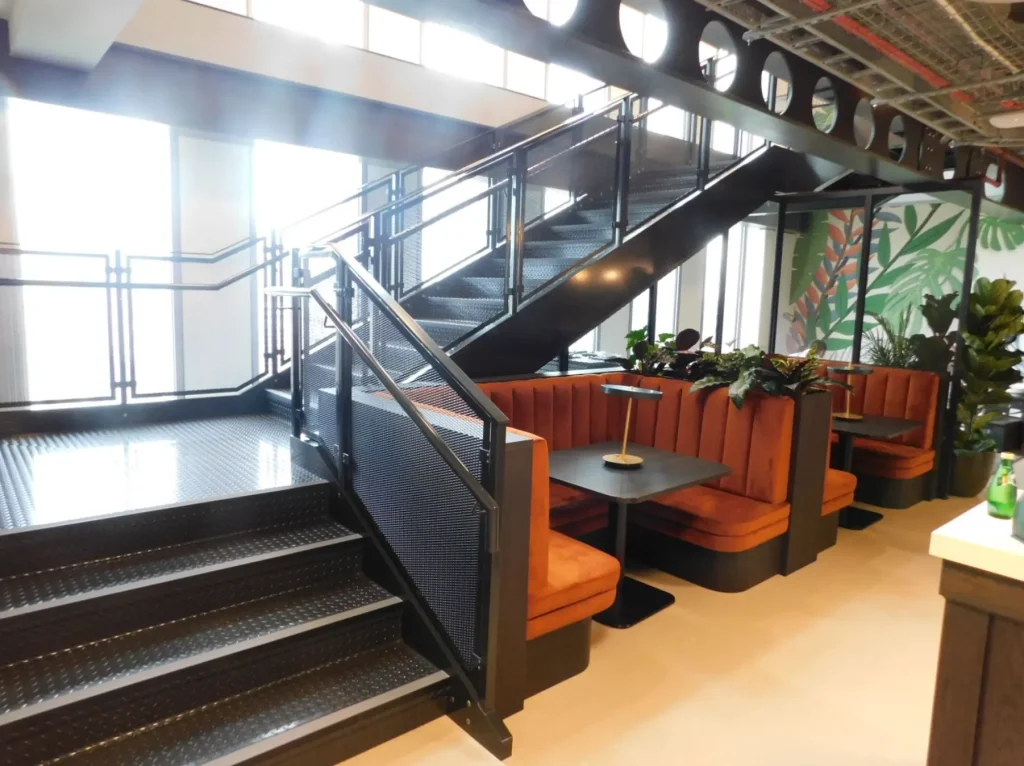
More Than a Supplier: A Design Resource
While we do handle fabrication and installation, we’re often most valuable as a sounding board before the spec is even finalised. Our in-house design team can work directly from your early concepts, provide CAD-ready models, and help simplify coordination with other trades.
This might involve:
- Reviewing your layouts to flag clashes or complexity before they hit site.
- Creating realistic visualisations so your client can sign off with confidence.
- Advising on logistics, tolerances, and access at a stage where those inputs can still shape the outcome.
And because we’re used to working on projects from schools to retail developments and listed buildings, we understand the real-world context these installations sit within.
Architectural Metalwork Installations That Elevate the Whole Scheme
We’re not just looking to fill in the metal bits after the fact. We want the staircase that anchors the lobby space. The canopy that frames the entrance experience. The balustrade keeps the glass lines clean without overdoing the structure.
That’s why we’re increasingly working with architects who want more than a trade price; they want considered collaboration.
So if you’re working on a scheme where metal will feature in any meaningful way, whether as a structural element or a design highlight, get us involved early. You’ll still get the high-quality fabrication and smooth installation we’re known for. But you’ll also get input that makes the final result better.
Get in Touch
If you’re an architect, designer or specifier looking to bring high-quality architectural metalwork into your next scheme, we’d love to hear from you. The earlier we talk, the more value we can add, both visually and practically.
📧 enquiries@formostfabrications.co.uk
FAQs
What types of architectural metalwork do you fabricate?
We specialise in bespoke architectural metalwork including staircases, canopies, balustrades, walkways, ramps, and structural components. Each piece is made to fit the project requirements precisely.
Can you work directly from architectural drawings or concepts?
Yes; we often collaborate with architects and designers from early-stage sketches, refining the concept into practical fabrication drawings and helping avoid clashes or oversights before construction begins.
Do you offer supply and install for your metalwork?
We do. We manage the full process in-house, from initial design consultation through to manufacturing and on-site installation, to ensure quality and consistency across the project.
Are your architectural metalwork installations compliant with UK regulations?
Yes, everything we manufacture and install is designed to meet or exceed current building regulations, including structural safety, fall protection, and accessibility standards.
What materials do you typically use for architectural metalwork?
We work with mild steel, stainless steel, and aluminium. Each material is chosen based on its suitability for the environment, finish, and load requirements of the project.
Can you match metal finishes to other elements in the scheme?
Absolutely; we offer a wide range of finish options, including powder coating, galvanising, and polished or brushed stainless steel, to match your visual intent and durability requirements.