
Powder-Coated Steel vs Galvanised Steel: Who is the Winner?
In metal fabrication, the right finish is as important as the right design. It’s not enough for a structure to look good when it leaves the workshop; it has to maintain its performance and appearance for years in the real world. That’s where metal treatments come in.
At Formost Fabrications, we work with a range of protective finishes to give our work the durability and performance our clients expect. Three of the most common treatments we provide are galvanised steel, powder-coated steel, and other specialist coatings chosen for their resistance to wear, weather, and corrosion.
Galvanisation: Long-Term Corrosion Protection
Galvanised steel is a mainstay in outdoor and industrial applications. The galvanising process involves coating the surface of mild steel with a layer of zinc, which creates a protective barrier against moisture and oxygen. Without this barrier, bare steel will eventually oxidise and rust.
The most common approach is hot-dip galvanising, where the steel is submerged in a bath of molten zinc. This process not only coats the surface but also forms a zinc iron alloy bond with the base metal, creating a finish that is both tough and long-lasting. The resulting galvanised coating is highly resistant to impact and abrasion, meaning it can withstand rough handling and harsh environmental conditions.
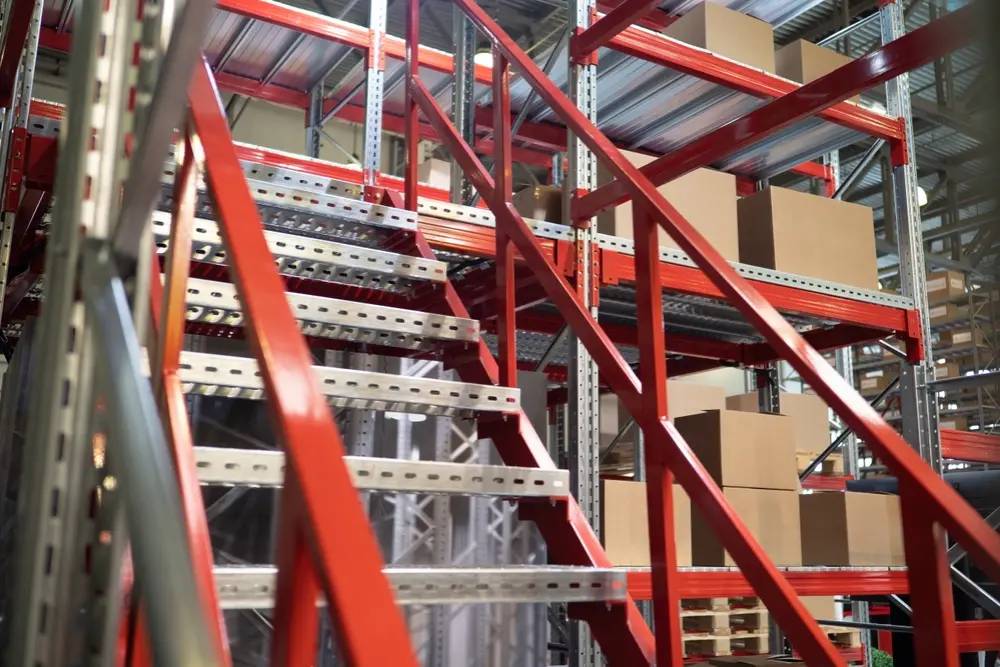
Hot-dip galvanised steel is a great choice for everything from staircases and walkways to outdoor structural frames. It’s low maintenance, cost effective, and offers a lifespan that can stretch into decades, even in challenging climates.
Powder Coating: Colour and Protection in One
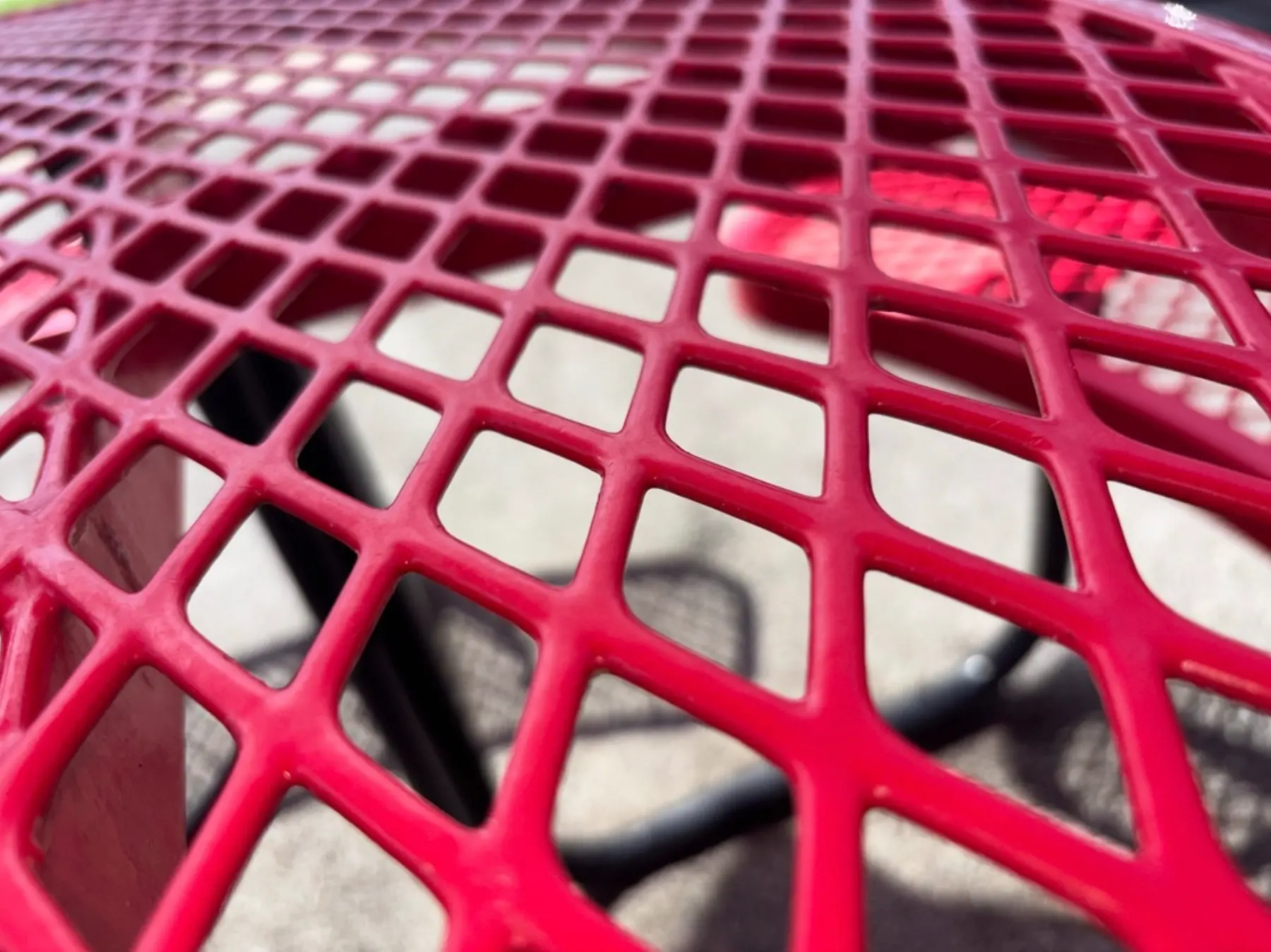
Where galvanisation focuses on raw corrosion protection, powder-coated steel adds visual flexibility to the mix. The powder coating process involves applying a fine, electrostatically charged powder to the metal surface, which is then baked on to form a smooth, durable layer.
This protective layer is available in a huge range of colours and finishes, from matte and satin to gloss. For businesses, powder-coated steel offers the opportunity to align metalwork with branding, while homeowners can match new installations to existing design features.
Beyond aesthetics, powder coating provides a strong, chip-resistant finish that protects the underlying steel from moisture, UV damage, and everyday wear. It’s also environmentally friendly, as the process produces minimal waste compared to traditional wet painting.
In some projects, we combine galvanisation and powder coating to deliver the best of both worlds — a zinc-based corrosion protection base layer for long-term durability, topped with a coloured finish for a refined appearance.
Coating Thickness and Application Quality
When it comes to protective finishes, performance is tied to quality. The coating thickness of hot dip galvanized steel directly affects its lifespan in corrosive environments. Similarly, with powder coating, the consistency and curing of the finish make the difference between a surface that lasts and one that chips prematurely.
At Formost Fabrications, we only work with trusted suppliers and processes to ensure every coated steel product meets our own high standards. From ensuring even zinc coating coverage to checking powder adhesion, we treat finishing as a critical stage in the build, not an afterthought.
Other Treatments for Specific Applications
While galvanised steel and powder-coated steel cover most needs, some projects call for alternative finishes. Stainless steel offers built-in corrosion resistance without the need for coatings, making it ideal for hygiene-critical environments such as food production or healthcare facilities.
In some architectural projects, we may recommend clear protective sealants for exposed metal surfaces where a raw finish is part of the design intent. While these offer less durability than galvanising or powder coating, they still provide a protective barrier that helps preserve the appearance of the steel.
Choosing the Right Treatment for Your Project
The right metal finish depends on where and how the product will be used. External structures that face constant exposure to rain and pollutants benefit from hot-dip galvanised steel. Installations in high-traffic areas where appearance is key may be better served by powder-coated steel in a colour and texture that complements the surroundings.
In some cases, combining treatments gives the most high quality result — galvanisation for long-term corrosion control and powder coating for added style. This layered approach delivers outstanding performance and appearance, making it a popular choice for commercial entrances, canopies, and public access features.
At Formost Fabrications, we start every project by discussing where the metalwork will live, how it will be used, and what conditions it will face. This ensures we recommend the most effective corrosion protection method from the outset.
Our Approach to Metal Treatments
Because we handle metal fabrication in-house, we have complete control over the preparation and finishing stages. Every piece is fabricated to tight tolerances, cleaned, and prepared for its chosen treatment. This means the galvanising process produces consistent, full-coverage protection, and the powder coating process delivers an even, durable finish.
Our goal is always to produce maintenance free metalwork that delivers years of service with minimal intervention. By selecting the right finish and applying it correctly, we help our clients get the most from their investment.
Get in touch with Formost Fabrications to discuss what metal treatment would be best for your project:
📧 enquiries@formostfabrications.co.uk

FAQ
1. What is the lifespan of hot-dip galvanised steel?
In normal conditions, hot-dip galvanised steel can last several decades before requiring attention, thanks to its thick zinc coating.
2. Can powder coating be applied over galvanised steel?
Yes. Combining galvanisation with powder coating offers both corrosion resistance and colour flexibility.
3. Is powder-coated steel environmentally friendly?
Yes. The powder coating process produces very little waste and contains no harmful solvents.
4. How thick should a galvanised coating be?
Coating thickness depends on the intended environment. We work to industry standards to ensure optimum protection.
5. When should I use stainless steel instead?
Stainless steel is ideal for hygiene-critical or decorative applications where the natural finish is desired.
6. Do you offer advice on choosing a finish?
Yes. We’ll assess your project’s needs and recommend the most cost effective and durable option.