
How Do You Choose the Best Handrail for Stairs?
Whether you’re managing a commercial refurbishment or updating a domestic property, the handrail for stairs is a core part of the experience. It influences how people move through a space, how safe they feel, and how the staircase itself is perceived. And yet, in far too many projects, it’s treated as an afterthought.
At Formost Fabrications, we take a different approach. We believe that the handrail for stairs should be built to suit the environment, designed for use, and fabricated for long-term durability. Whether it’s for a school, office block, housing development or high-end home, we create bespoke stair handrails that blend function with form—without cutting corners.
Why the Handrail for Stairs Deserves Attention
A well-designed staircase handrail does a lot more than guide someone up or down. It provides a sense of security. It helps with accessibility. And it contributes to the visual tone of the space.
In commercial settings, the right handrail ensures you’re meeting safety and compliance regulations. In homes, it can tie the design together or become a feature in its own right. But most importantly, it should feel natural to use.
Here’s what we consider in every project:
- Grip and Comfort: The diameter, surface and fixings must feel right in the hand.
- Positioning: Installed at the right height and angle to support users of all ages.
- Durability: Especially important for high-traffic areas or outdoor applications.
- Visual Integration: It should sit comfortably alongside the staircase, not compete with it.
Whether you’re replacing a wobbly stair rail or starting from scratch on a new development, we make sure your handrails do the job properly.
What’s the Right Material for a Handrail for Stairs?
This is where things get interesting. A stair handrail isn’t always made from the same material as the rest of the staircase, and that can be a benefit.
- Mild Steel: Our go-to for most interior and exterior projects. Can be powder-coated in virtually any colour.
- Stainless Steel: Sleek and corrosion-resistant, great for clean modern interiors or humid environments.
- Wrought Iron: Heavier, more decorative, and suited to traditional or heritage aesthetics.
- Glass and Timber Integration: Glass panels and timber caps can be combined with a fabricated steel core for a softer or more transparent finish.
We’ve fabricated handrails that sit above wooden treads and risers, alongside stone staircases, and integrated into glass-panel balustrades. It’s not about being a purist with materials, it’s about building what works for the space and the people using it.
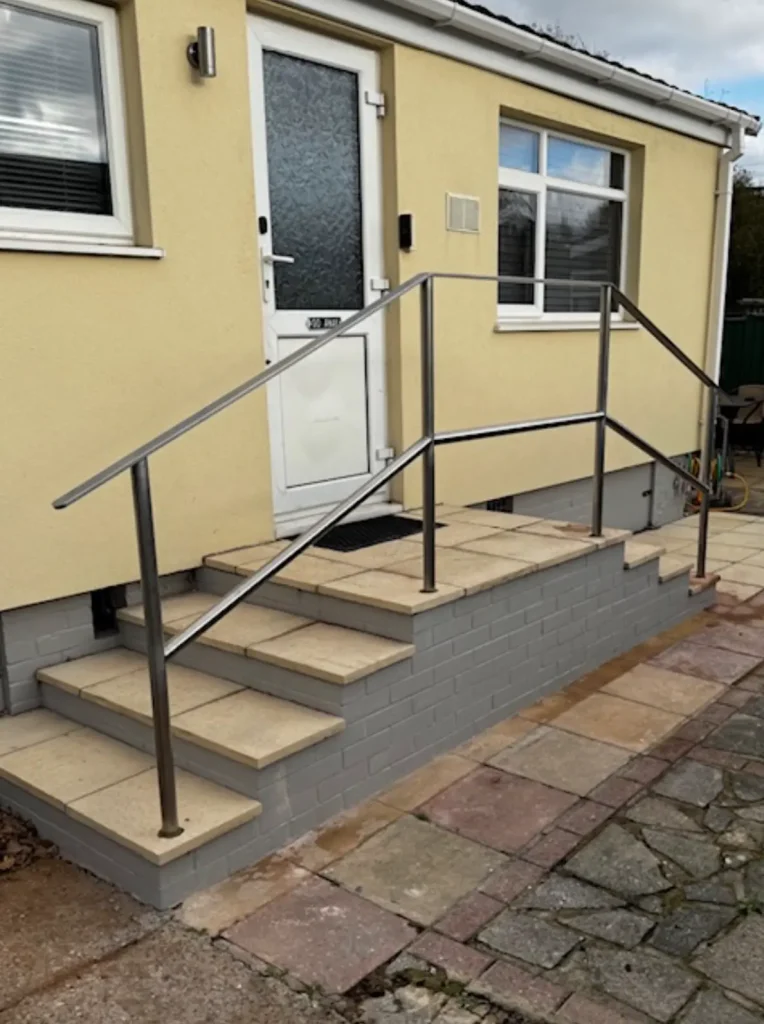
For Every Type of Staircase
The type of staircase matters. You wouldn’t put the same rail on a fire escape as you would on a central feature staircase in a luxury development.
At Formost Fabrications, we adapt our approach depending on layout, use, and audience:
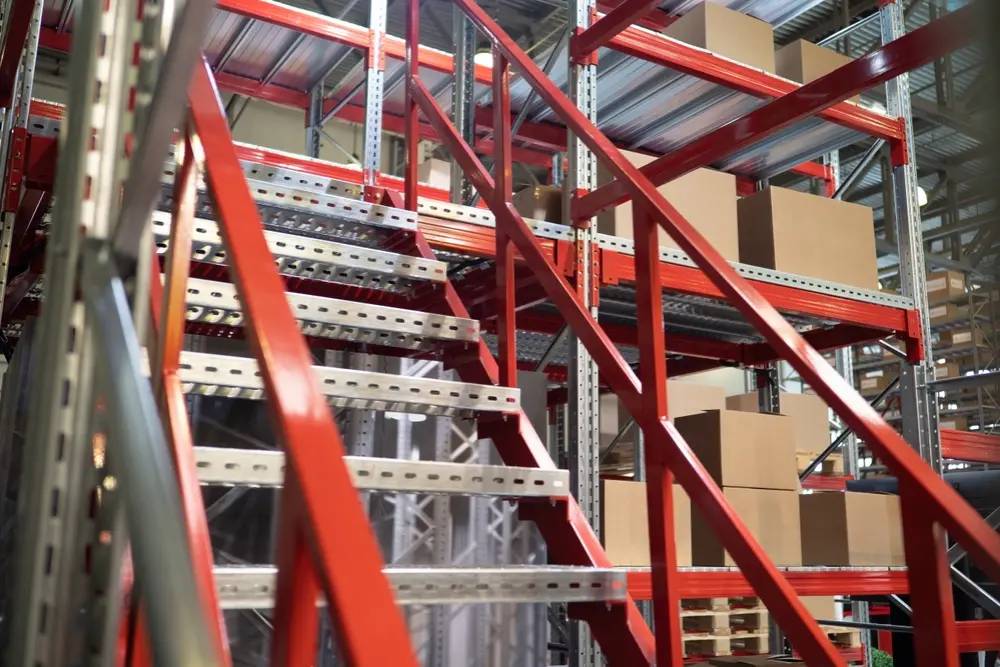
- Commercial Fire Escapes: Straightforward, compliant, robust. Usually mild steel, galvanised for weather protection.
- Open-Tread Feature Staircases: Minimalist handrails in powder-coated steel or with timber inlays for a tactile feel.
- Heritage or Traditional Settings: We can create more ornate styles, often echoing traditional bannisters, with modern performance behind the scenes.
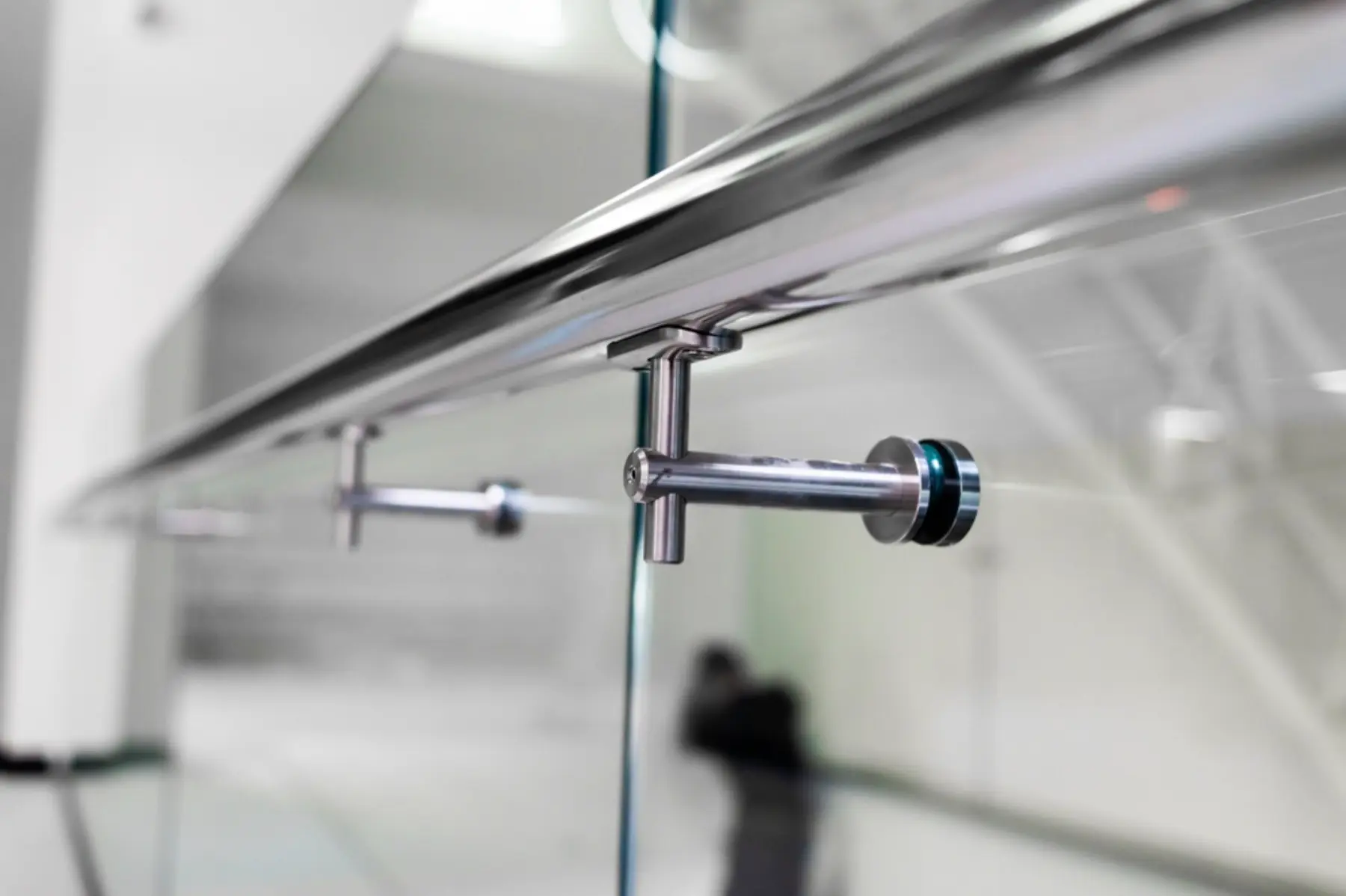
- Glass-Lined Staircases: Sometimes, a slimline steel handrail is all that’s needed to bring the design together without overwhelming the transparency.
Compliance, Accessibility, and Peace of Mind
Every stair handrail we produce is designed to meet current UK building regulations. For public buildings and workplaces, this includes:
- Correct height and continuous grip surface
- Minimum clearance from adjacent walls
- Proper termination (returns to wall or floor)
- Smooth, snag-free finishes
We also design with DDA (Disability Discrimination Act) considerations in mind, making sure handrails are supportive for users with limited mobility or vision.
On domestic projects, we help clients understand what’s required, what’s optional, and what will genuinely make a difference to how the stairs feel in everyday use.
The Formost Difference
We don’t do off-the-shelf kits. Every staircase handrail we make is custom-fabricated based on site measurements and usage needs. That includes everything from curved handrails to wraparound landing rails to twin-rail systems for ramps and wider staircases.
Our in-house CAD design, expert metalworkers, and installation team work together to ensure a result that looks right, performs well, and lasts in the long term.
📧 enquiries@formostfabrications.co.uk
FAQ
Do I need a handrail on both sides of a staircase?
It depends on the width and whether the staircase is for public or private use. In commercial settings, handrails on both sides are often required for safety and compliance.
What’s the standard height for a staircase handrail?
For most applications, between 900mm and 1000mm from the pitch line of the stairs. We ensure compliance with UK building regulations in every installation.
Can I have a stair handrail that matches my other metalwork?
Yes. We can powder-coat, shape or detail handrails to visually match gates, fencing or other architectural features on site.
Are your stair handrails suitable for outdoor use?
Definitely. We regularly produce galvanised or stainless steel handrails for outdoor steps, access ramps and fire escapes.
How do I clean and maintain a metal handrail?
Mild detergent and water is usually enough. Powder-coated finishes are easy to wipe clean, and stainless steel can be polished for a higher sheen.
Do you offer installation as well as fabrication?
Yes. We handle design, fabrication and installation in-house, ensuring a smooth, precise fit and full accountability.